

For Rent | Sophisticated 2-Bedroom + Office Apartment in Punta Pacífica |

ABOUT THE APARTMENT Discover spacious, sophisticated living in this fully furnished 183…
More Details
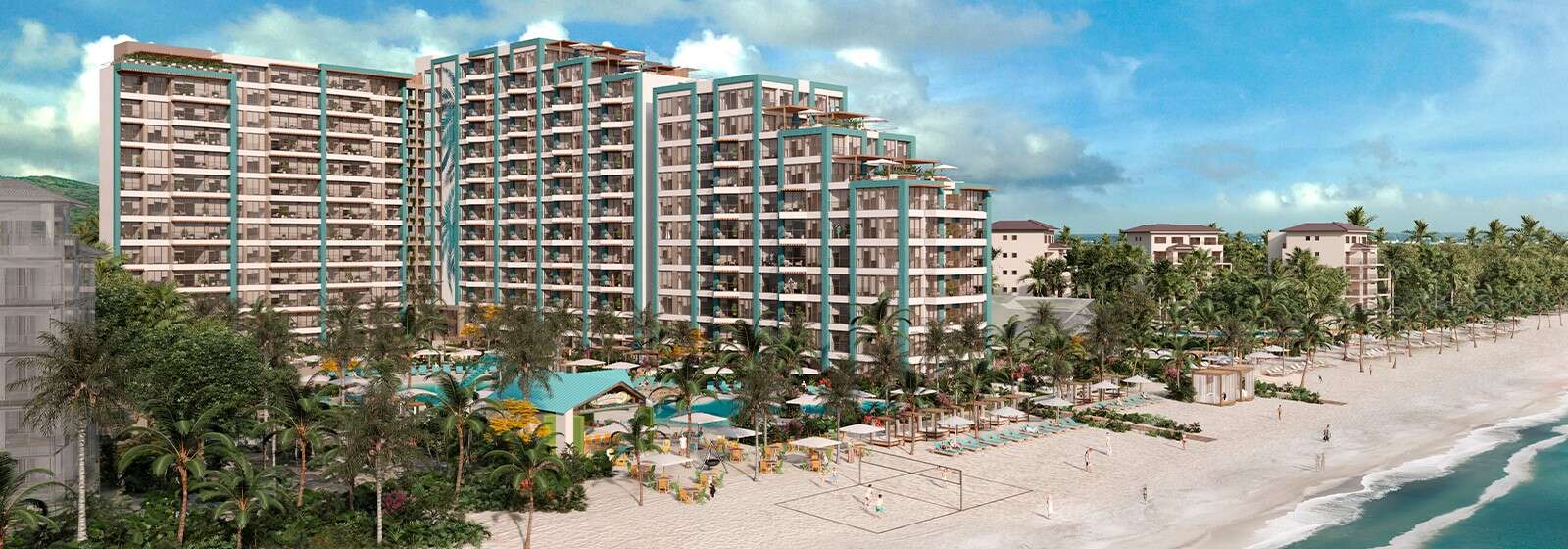
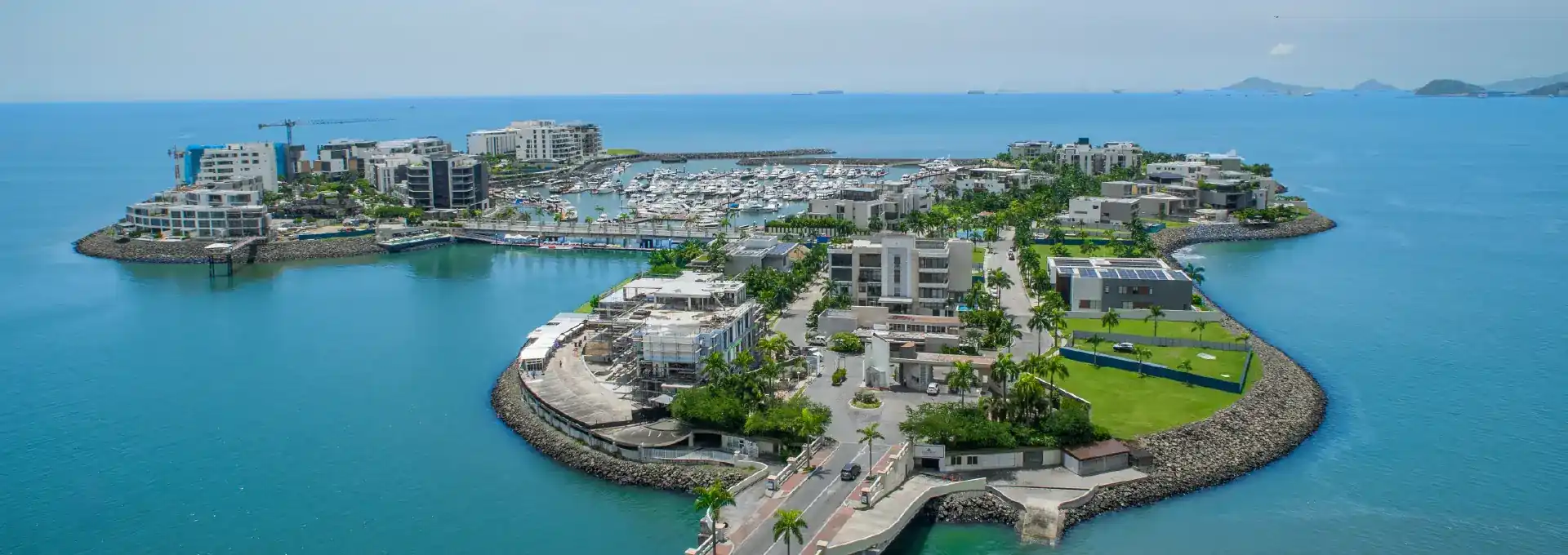
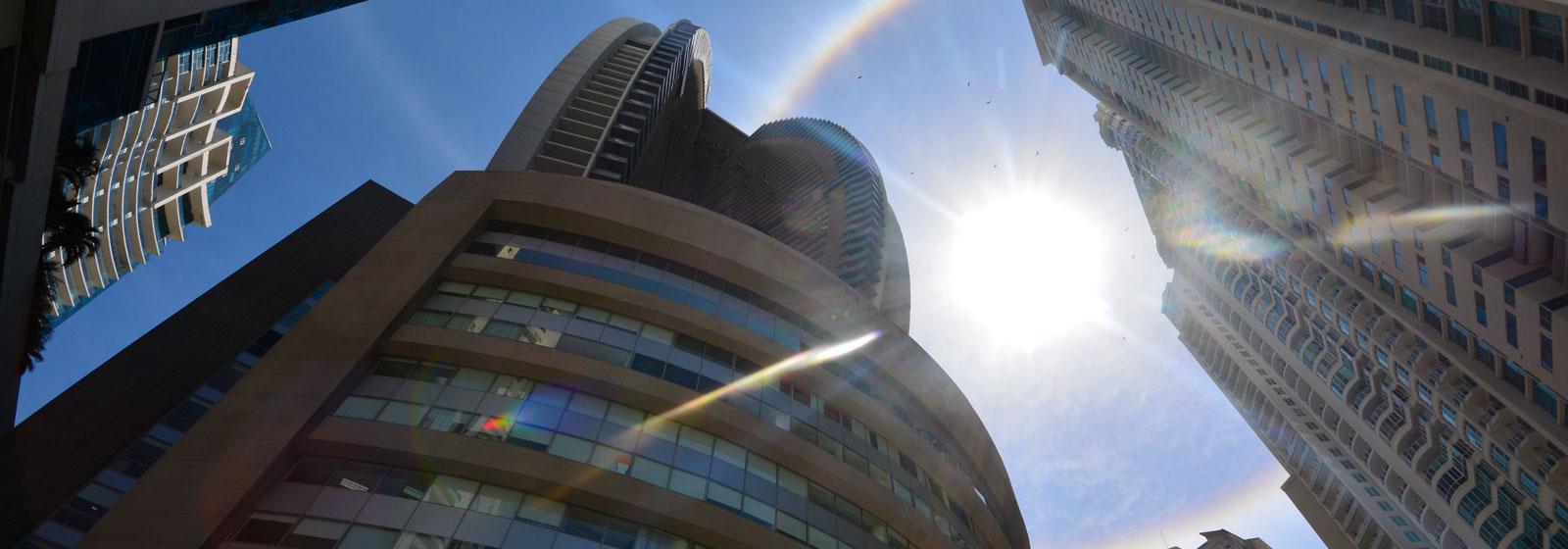
We can help Investors, Renters, Sellers and Buyers navigate the tricky Panama real estate market.
ABOUT THE APARTMENT Discover spacious, sophisticated living in this fully furnished 183…
More Details
Experience luxury living in the heart of Punta Pacifica. Now available for…
More Details
Experience the lifestyle Punta Pacifica has to offer. Introducing this exclusive, fully…
More Details
ABOUT THE APARTMENT There are luxury penthouses, and then there are residences…
More DetailsPanama Sotheby’s International Realty has distinguished itself as the premier “Real Estate Panama Expert” for the most exclusive, luxury condominium real estate market area: Punta Pacifica (Panama City), Beachfront, Casco Antiguo, Costa Del Este, San Franciso & all beachfront Panama Real Estate. Whether you are looking to rent, buy or invest, if your interest is in luxury, high-end condos or houses in Panama, PPR is your best source!
The Panama real estate investment market attracts retirees, investors, and expats with affordable condos, beachfront villas, and city apartments. Prices start near $120,000 in urban areas and reach over $2 million for luxury coastal estates. Strong infrastructure, tax incentives, and economic stability support consistent growth and rental demand.
Operating out of multiple offices in the heart of Punta Pacifica we have our finger on the pulse of the luxury real estate market in Panama City. Having performed several thousand transactions, having 3500+ property listings our highly specialized team of bilingual Panamanian real state experts will ensure you find the home and/or condo you want at the best possible price and with the least amount of complications. If you are looking for high-end condos in Panama City, we are the solution, having the largest inventory of condos for rent and sale in the prestigious Trump Ocean Club as well as the rest of Punta Pacifica. (As well as Beachfront Real Estate)
Our mission is to build a long-term relationship with you, our valued client. Nothing is more important. Our priority is to make your Panamanian dream come true. We will always take the extra step, make the extra call and investigate every option to make sure your Panama real estate experience is smooth and rewarding. We listen. We take action. We put our clients first. Customers from all around the world, including Americans, Canadians, British, Australian, Chinese, Dubai and many other expats.







Buying, investing in or managing real estate in Panama brings together practical questions about ownership, costs, location and long-term responsibilities. These answers are a starting point for research across Panama, not a substitute for legal, financial or tax advice specific to a property.
Yes. Foreign nationals can generally purchase and own titled real estate in Panama. Some properties and locations are subject to restrictions, particularly land near international borders and certain island or coastal holdings. Have an independent Panamanian attorney establish whether the specific property can legally be acquired. See the Panama Ministry of Government’s property guidance.
No. Buying property and qualifying for residency are separate matters. A foreign buyer can generally acquire eligible titled property without first obtaining a residency permit; immigration eligibility depends on the applicable visa or residence category. Consult the National Immigration Service for the relevant requirements.
Most purchases begin with identifying the property, agreeing on commercial terms and appointing an independent lawyer. The lawyer reviews the title, liens, cadastral records, tax status, permits and applicable restrictions. The parties then complete the purchase documentation, arrange payment and record the deed with the Public Registry. The transaction structure determines the exact sequence.
Yes. An attorney who represents your interests should verify legal ownership, any mortgages or annotations, the seller’s authority, boundaries, condominium documentation, unpaid charges and the contracts you will sign. A real estate broker does not replace independent legal due diligence.
There is no universal timeline. A straightforward titled-property purchase may take several weeks, while financing, corporate ownership, estate issues, title corrections or incomplete records can extend the process. Ask your lawyer for a transaction-specific schedule before committing to a closing date.
Titled property has a registered ownership interest recorded with Panama’s Public Registry. Rights of possession, often called derechos posesorios, are a different form of claim and should not be treated as equivalent to registered title. Their transfer, verification and financing risks can be materially different. For most first-time international buyers, legally verified titled ownership is the clearer starting point.
Potentially. Coastal concessions, maritime zones, protected areas, islands and border-zone restrictions require property-specific review. A beachfront listing does not by itself prove the entire site is privately titled or freely transferable. Have counsel verify the parcel map, legal status, access rights and development restrictions.
A purchase can sometimes be completed without being physically present, through properly authorized representatives and acceptable identification and signing procedures. The requirements depend on the parties, bank, notary and registry process. Independent inspections and document checks remain important even when you cannot travel.
Requirements vary, but commonly include valid identification, contact and tax information, proof of funds or source-of-funds documents, and the details needed for anti-money-laundering checks. Banks and legal professionals may request additional materials; confirm their requirements before funds are transferred.
There is no single national price. Asking prices vary widely by region, neighborhood, building quality, land tenure, condition, size, amenities and property type. Compare recent relevant listings and, when available, verified closed sales rather than relying on a single advertised national average.
Not necessarily. An asking price is the seller’s advertised expectation, not evidence of a completed sale at that amount. Negotiations, property condition, financing terms and market demand can affect the agreed figure. Budget for acquisition costs separately.
Potential expenses include legal fees, notary and registration charges, bank or escrow costs, due-diligence expenses, translations, and any charges allocated to the buyer under the contract. Transfer-related taxes typically concern the seller, but the contract must identify who actually pays each item. Request an itemized estimate for the specific transaction.
The commission arrangement depends on the listing agreement and the transaction. A seller commonly pays the agreed brokerage commission, but this should never be assumed from a listing alone. Ask for written confirmation of fees and any buyer representation agreement.
Some Panamanian banks consider foreign applicants, including nonresidents, but availability, deposits, documentation, rates and underwriting criteria vary significantly. Overseas income, local banking relationships and property type can affect eligibility. Obtain bank-specific terms before making the purchase conditional on financing.
Cash can simplify conditions and timing, but it concentrates capital in one asset. Financing may preserve liquidity while adding interest expense, documentation, approval risk and potentially currency or cross-border banking complications. Compare the total cost, not only the down payment.
Real estate is generally quoted and transacted in US dollars. Panama uses the balboa as its monetary unit at parity with the US dollar, and US-dollar notes circulate. Buyers sending funds from another currency should also budget for exchange-rate and transfer costs.
Panama generally assesses real estate tax using a taxable cadastral value rather than simply the current listing price. Under the standard progressive schedule published by the tax authority, the bands are 0% on the first US$30,000, 0.6% on the portion above US$30,000 through US$250,000, 0.8% on the portion above US$250,000 through US$500,000 and 1% above US$500,000. Different treatment applies to qualifying family patrimony or principal residences, and exemptions may affect a particular property. Check the DGI property tax guidance and obtain a current property-specific assessment.
Certain qualifying properties may receive preferential tax treatment or exemptions, including family-patrimony and principal-residence arrangements, subject to the statutory rules and registration. The DGI publishes a separate schedule for qualifying family-patrimony/principal-residence property. Eligibility is not automatic and can be affected by the property’s history and use. Verify the registered status with counsel and the DGI.
A resale may involve a real estate transfer tax, a capital-gains tax calculation and a related withholding or advance-payment procedure. The commonly discussed 2% transfer tax and 3% withholding figures do not by themselves establish the seller’s final liability; exceptions and the tax basis matter. Have a Panamanian tax adviser calculate the applicable amounts and confirm current filing requirements. The DGI’s Form 106 resource is a useful starting reference.
Either structure can be appropriate depending on liability, estate planning, financing, accounting obligations and the tax treatment of a future sale. An entity can create ongoing compliance costs and does not automatically remove transfer taxes or due-diligence duties. Seek coordinated Panamanian and home-country legal and tax advice.
Budget for applicable property taxes, building maintenance or condominium fees, utilities, insurance, repairs, security, landscaping, property management and occasional capital works. Coastal properties may have higher corrosion and maintenance demands; vacant or remotely owned homes can require additional oversight. Request actual bills and the condominium budget whenever possible.
Panama City offers a wide range of apartments and houses in neighborhoods with different commuting patterns, building ages and amenities. Consider established residential areas, central business districts and newer waterfront developments, but assess each building separately for management, maintenance, traffic access and rental rules.
Coronado and surrounding Pacific-coast communities appeal to buyers seeking coastal access within reach of the capital. Property types range from apartments to detached homes, often with different maintenance, road access and seasonal-use considerations. Check travel conditions, water service, homeowners’ rules and whether the property suits full-time living.
Boquete in Chiriquí Province is known for its mountain setting and generally cooler conditions compared with Panama’s lowland coastal areas. Buyers often evaluate detached homes, small residential communities and land. Review rainfall, slopes, drainage, utilities and access, particularly for rural properties.
Pedasí offers a different Pacific-coast lifestyle from the Panama City corridor, while Bocas del Toro is an island-and-mainland Caribbean market with distinct transport and land-tenure considerations. Smaller markets can have fewer comparable sales and a narrower resale pool. Verify title, access, infrastructure, environmental restrictions and practical property management before buying.
It can fit some investment strategies, but suitability depends on the price paid, the neighborhood, financing, rental demand, maintenance costs, legal status and intended holding period. No location or property type guarantees appreciation or a positive return. Build a property-level financial model and compare it with alternative uses of capital.
A reliable national yield cannot be inferred from a few advertisements. Gross yield is annual rent divided by purchase price before vacancy and costs. For example, US$18,000 of annual scheduled rent on a US$250,000 purchase equals a 7.2% illustrative gross yield, not a Panama market benchmark. Net yield may be materially lower after management, fees, taxes, maintenance and vacancy.
Generally, an owner can lease a legally eligible property, but national law, municipal rules, zoning, lease terms and condominium bylaws may limit specific uses. Check whether the proposed rental is long term, short term or commercial and which registrations or permissions may apply.
Rules are location- and property-specific. In Panama City, short-stay arrangements have faced important restrictions, while some tourism-oriented developments operate under separate permitted frameworks. A platform listing or agent statement is not proof of permission. Obtain written legal and condominium confirmation before underwriting short-term rental revenue.
Examine actual rental comparables, tenant profile, allowable lease length, condominium rules, occupancy history, common-area fees, reserve funds, insurance and management costs. Ask whether quoted rent is achieved or only advertised, and calculate cash flow under conservative vacancy and repair assumptions.
Construction schedules, permits, specifications, developer finances, completion quality and the final property registration can all change the investment outcome. Review the contract’s payment milestones, refund and delay clauses, permitted substitutions and the status of project approvals with independent counsel. A rendering is not an operating amenity.
No. Individual properties and locations may appreciate, remain flat or decline. Supply, building age, governance, infrastructure, financing conditions and broader demand all influence resale value. Treat promotional growth projections as scenarios rather than verified outcomes.
Resale liquidity varies by location, property type, pricing and legal documentation. A specialized luxury home or a property in a thinly traded market may take longer to sell than an appropriately priced unit in an active area. Review the likely future buyer pool and selling expenses at the time of purchase.
No. Owning property does not automatically give a foreign buyer residency or the right to work. Panama has immigration categories with distinct eligibility rules, documentation, investment thresholds and processing requirements. Confirm current information with the National Immigration Service and a qualified immigration attorney.
Yes, subject to the standard property rules and whatever immigration status is required for the planned length of stay. Retirement arrangements, healthcare coverage, local support and income sources should be evaluated separately from the real estate purchase.
Possibly. Your country of tax residence may require disclosure of foreign property, rental income, foreign bank accounts or gains on sale. Panama’s rules do not determine your obligations elsewhere. Consult advisers familiar with both jurisdictions.
Panama is tropical, but conditions differ substantially by altitude and region. Lowland areas are generally warmer, mountain locations such as Boquete are cooler, and rainfall patterns vary between the Pacific and Caribbean sides. Visit the specific area during different seasons if year-round comfort is a priority.
Compare proximity to hospitals, specialist care, pharmacies, emergency transport and insurance arrangements. Panama City generally offers a wider concentration of specialist services than smaller towns, while rural and island living can involve longer transfers. Verify needs that are particular to your household.
Import procedures are possible but require current veterinary documents, timing and compliance with Panamanian animal-entry rules. Requirements can change and may differ by species and country of origin. Check with Panama’s relevant agricultural and health authorities and your airline before booking travel.
Yes. Remote ownership is possible, but it makes reliable local representation, bill payment, maintenance, insurance and periodic inspections especially important. Put authority limits and reporting arrangements in writing with any manager or representative.
Not always, but managers can handle tenant communication, rent collection, inspections, contractors and urgent repairs. Compare their services, fee structure, financial reporting, authority to spend and whether they handle the specific rental model you plan to offer.
Use qualified inspectors where appropriate and examine roof and waterproofing, moisture, air-conditioning, plumbing, electrical systems, drainage, corrosion, windows and safety systems. In a condominium, also review common areas, financial statements, reserves, special assessments and unresolved building disputes.
Ask for the registered title and property description, condominium or horizontal-property regulations, budgets and financial statements, maintenance-fee history, outstanding assessments, insurance details and records of major projects or disputes. Confirm your intended use is allowed under the bylaws.
Your attorney should obtain current records from the Panama Public Registry and reconcile them with the seller’s identity, surveyed boundaries, municipal and cadastral information and outstanding liens or charges. Rely on a current title search, not an old deed or marketing brochure alone.
Clarify the intended use, total budget and preferred location; compare suitable properties in person where feasible; confirm the ownership regime, financing, legal restrictions and realistic ongoing expenses; then use independent professional due diligence before signing an irreversible commitment. Good preparation is more valuable than rushing to meet an advertised opportunity.
Important: Laws, tax rules, financing policies, rental permissions and individual property records can change. Verify the rules affecting a particular transaction before relying on them.
| Punta Pacifica | $1,300-$3,500 |
| Avenida Balboa | $1,200-$3,200 |
| San Francisco | $1,200-$2,500 |
| Obarrio | $1000-$2,000 |
| Punta pacifica | $300,000 + |
| Avenida Balboa | $250,000 + |
| San Francisco | $200,000 + |
| Obarrio | $200,000 + |
What's Happening Now in Panama

The Panama real estate market has officially entered a new era of international connectivity. Panama Sotheby’s International Realty…
Read More
Panama has officially established a new migratory category designed to foster cultural exchange and attract young global talent.…
Read More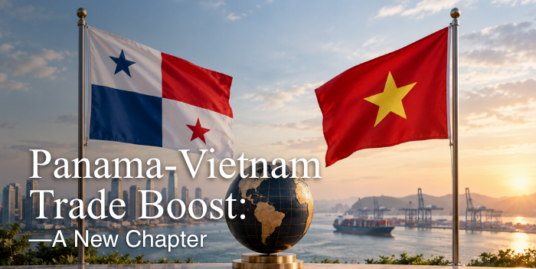
Panama’s appeal as a business base depends on what companies can do from here: reach customers, move products,…
Read MoreOwning a home is a keystone of wealth… both financial affluence and emotional security.
Please enter the 6-digit OTP sent to your email.
Time remaining: 05:00